Resources for families navigating serious childhood illness: food, nutrition, housing, medical support, and community.
Finding what you need
Much of what's here was gathered the hard way, by a family living through a child's cancer treatment and holding onto what genuinely helped. Food and nutrition guidance, housing and medical support, research worth trusting, and the organizations and people worth knowing.
It's a growing list. If there's a resource you think belongs here, let us know.
Emmy's Friends Original
From Our Family
Mike and Aja share what they learned
Smoothie recipes, a philosophy for living well in the middle of treatment, and practical notes from people who spent long days on the seventh floor at Children's Hospital and still found ways to laugh.
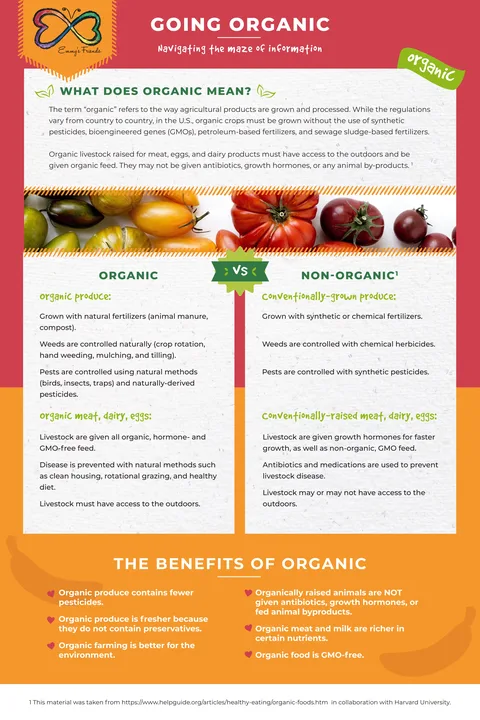
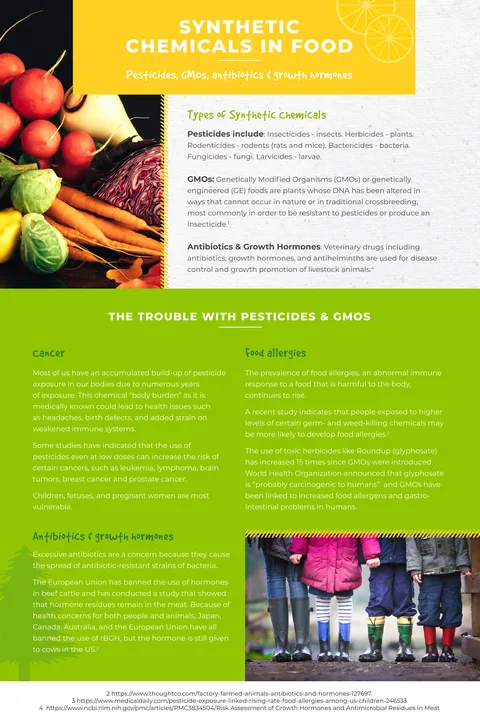
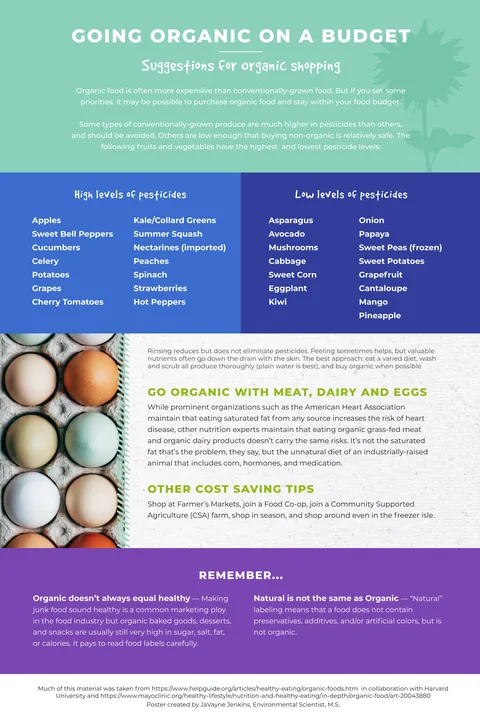
A three-page visual guide to understanding organic food: what it means, why it matters, and how to make it work on a budget. Created in collaboration with Emmy's Friends and authored by an environmental scientist.
Download PDF
JaVayne Jenkins, Environmental Scientist, M.S. · Araya Metzger, Graphic Design
Food Guide
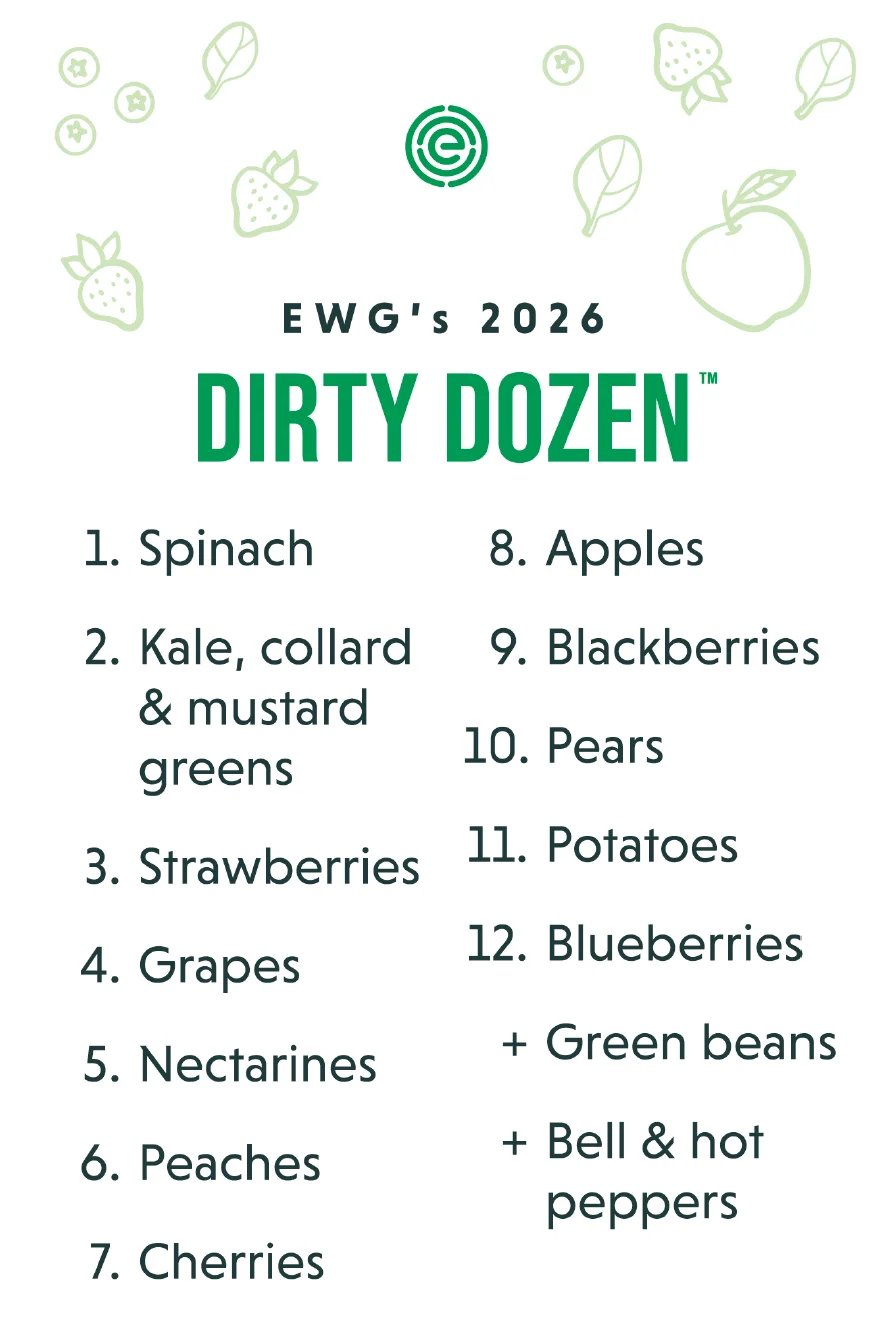
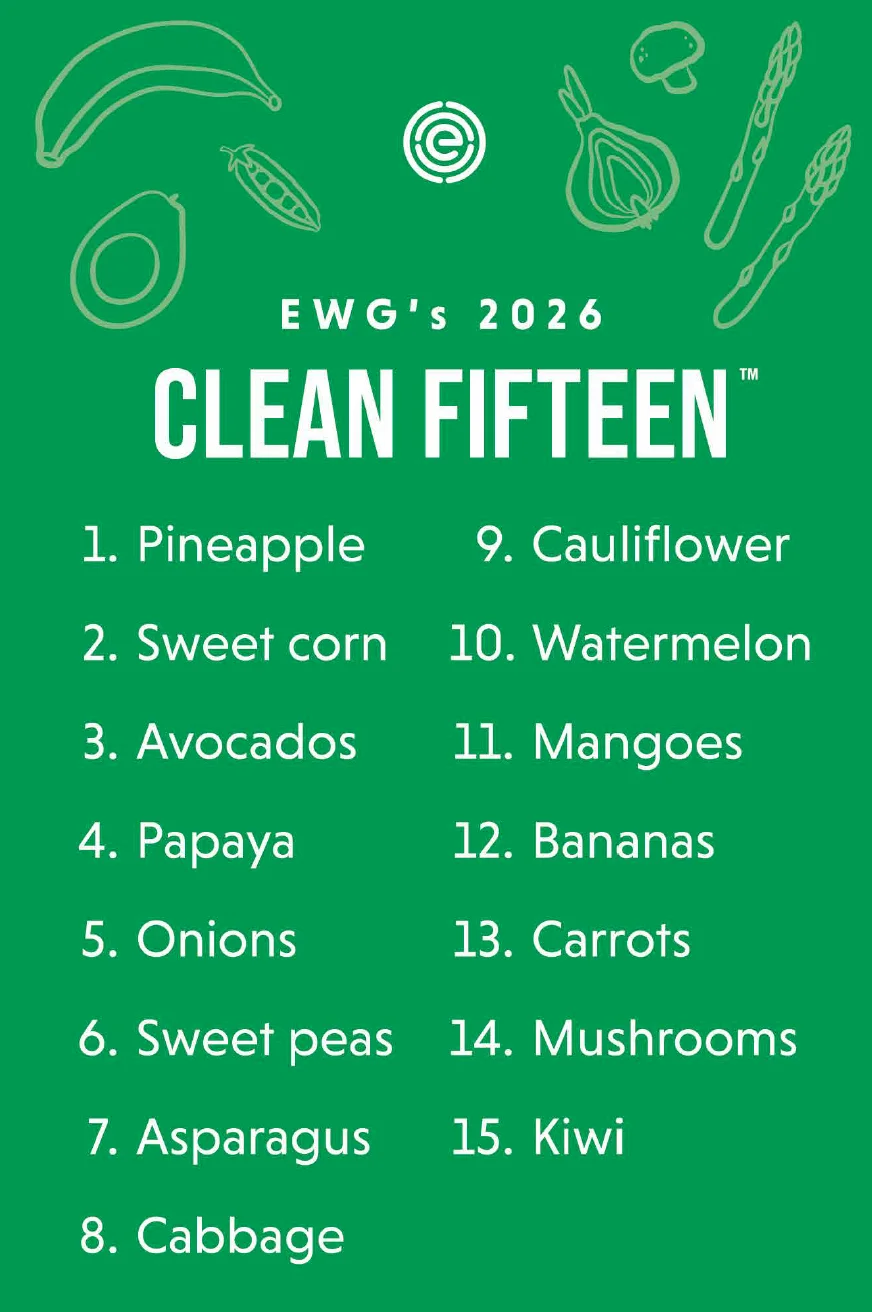
EWG's 2026 Shopper's Guide
The Dirty Dozen and Clean Fifteen: which produce to buy organic, and which is generally safe to buy conventional. Updated annually by the Environmental Working Group.
Denver-based nonprofit delivering medically tailored meals, free, to people navigating serious illness. 815,000 meals per year. Every household member qualifies, not just the patient. A family managing a child's cancer diagnosis shouldn't also have to figure out dinner.
When treatment means living near a hospital for weeks or months, these organizations provide the housing that makes it possible to stay and be present.
Emmy's Story
Brent's Place
Safe-clean housing for families at Children's Hospital Colorado
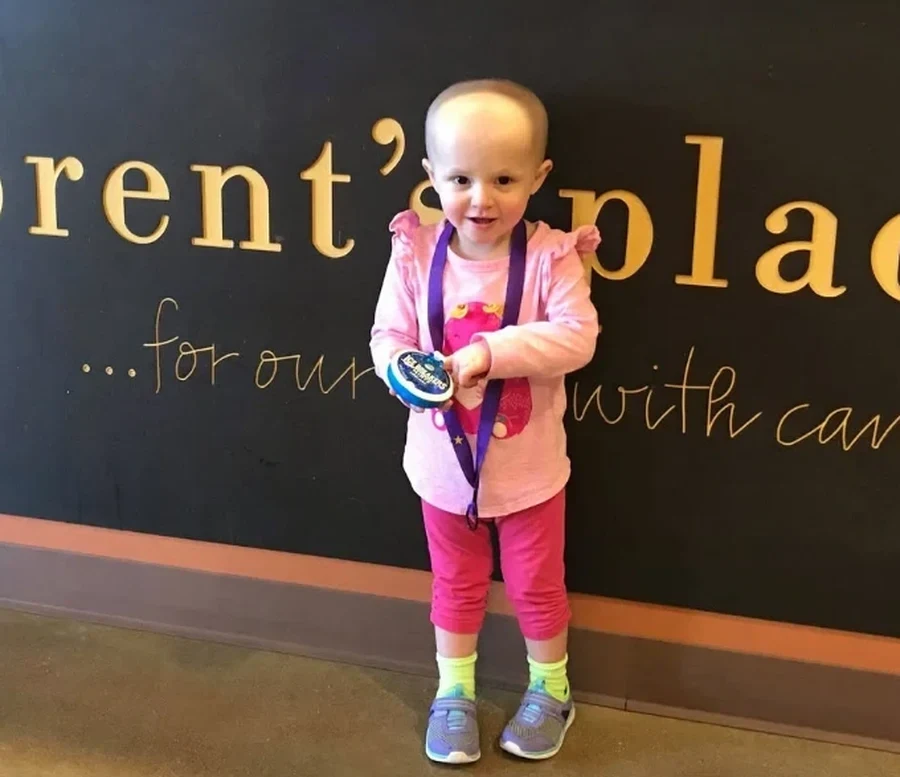
Emmy's family was on the Brent's Place waiting list for months. Getting a spot was a turning point. Fully furnished, immunocompromised-safe apartments designed for families navigating pediatric cancer treatment in Denver. At no cost to families. Stays average 131 days. Two campus locations across the Denver metro area, close to CHCO. For over 28 years, Brent's Place has been a lifeline for families facing the unthinkable.
brentsplace.org →Aurora, CO · ~70 fully furnished apartments · pediatric and adult oncology families
Treatment Housing
Christopher's Haven
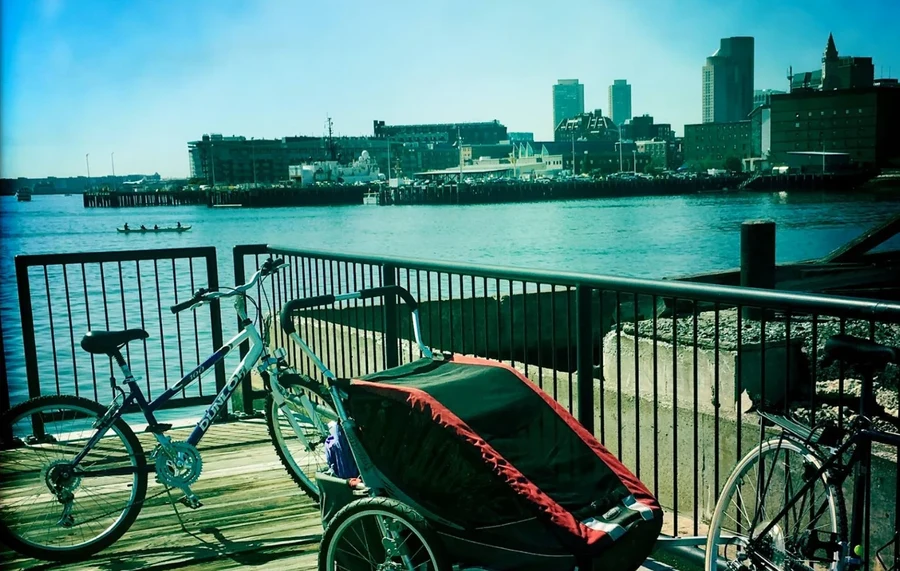
Fully furnished, free apartments for families of pediatric patients receiving cancer care in Boston, located directly across the street from Massachusetts General Hospital. When Emmy's treatment required proton radiation therapy in Boston, the Welle family called this home for months, walking across the street to the hospital every day instead of driving hours each way.
The national network of Ronald McDonald Houses provides temporary housing near children's hospitals for families of seriously ill children, often free or low-cost. Meals, transportation, and support are typically included. If your child is being treated more than a short drive from home, there may be a Ronald McDonald House nearby.
Joy has a place in treatment. These programs support activities that restore a sense of normalcy, agency, and meaning for children and families in the middle of the hardest stretch.
Photography
Flashes of Hope
Volunteer photographers transform hospital floors into professional studios and create free portrait packages for children with cancer. Over 94,000 children photographed at 86+ hospitals across the country. Every session also includes Happy Packs: gift bags with comfort items for the long stretches between visits. A portrait taken during treatment is not a small thing.
Board-certified art therapists and music therapists working within children's cancer centers at no cost to families. Creative expression during treatment has documented therapeutic value. The Faris Foundation puts it in the room where it's needed most, without a separate referral or appointment.
Free, lifelong psychosocial and rehabilitative care for the entire family facing pediatric cancer: patients, parents, and siblings. Counseling, occupational therapy, music therapy, art therapy, academic coaching, financial counseling, and more. No session limits. No time limits after treatment ends. 90,000+ individuals served across 42 children's hospitals. The whole family is the unit of care.
For children ages 2.5 to 18 diagnosed with a critical illness, a wish granted at the right moment can shift everything. Make-A-Wish works with medical teams to determine eligibility and fulfills wishes for qualifying children. Emmy received her wish after treatment ended: San Diego, Legoland, the beach. Something to look forward to is part of healing too.
Distractions are therapeutic. These organizations bring toys, craft kits, and live music directly to children in treatment, because something to make, do, or listen to changes the atmosphere of a room.
Toys & Activities
The Bottomless Toy Chest
Delivers toys, craft projects, and interactive activities directly to hospitalized pediatric oncology patients year-round. 35,000+ toy experiences annually at hospitals across the country. Everything chosen to engage, empower, and give kids something to work on while the world outside keeps going.
Art project boxes designed specifically for kids of cancer patients, all materials included. Three projects per box, created so families can do them together, even in a hospital room, on days when energy is limited. Made by Bright Spot Network for families navigating a parent's or sibling's cancer.
Free music therapy for children with chronic or life-altering conditions, delivered by board-certified therapists in hospitals, at home, or via telehealth. Weekly sessions, at no cost to families. Music therapy for pediatric cancer patients has documented benefits for pain management, mood, and engagement during long treatment periods.
Live and recorded music brought to patients, families, and caregivers at the bedside in healthcare settings across the country. Musicians perform in hospital hallways and rooms at partner facilities. A different kind of visitor, for a room that can feel very still.
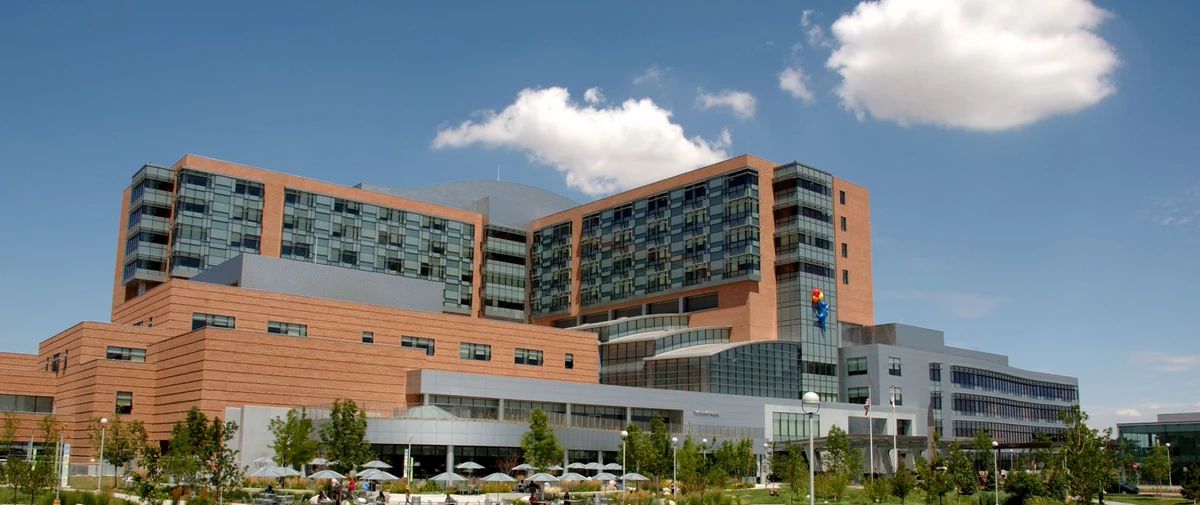
One of the leading pediatric oncology programs in the country. Emmy was treated here. CHCO's Cancer Center serves families across the Rocky Mountain region and beyond.
Children's Hospital Colorado's food-as-medicine program. Healthy Roots screens families for food insecurity during treatment and connects them to fresh produce, nutrition counseling, and community food resources. Because nourishment is part of healing.
Evidence-based pediatric health information centered on parents as informed partners in their child's care. A practical resource for families navigating complex health decisions.
Pediatric cancer stats, nutrition research, and the organizations doing the work
The numbers behind pediatric cancer. Peer-reviewed nutrition science. Research programs at Children's Hospital Colorado and Massachusetts General Hospital. Organizations like ACCO, Alex's Lemonade Stand, and Prevent Cancer Foundation. Books for deeper reading. A critical look at what standard care still gets wrong on nutrition, all in one place, with free PDFs throughout.
What we return to and recommend. Curated by Kimberly, with personal notes and pull quotes added as we read.
Book
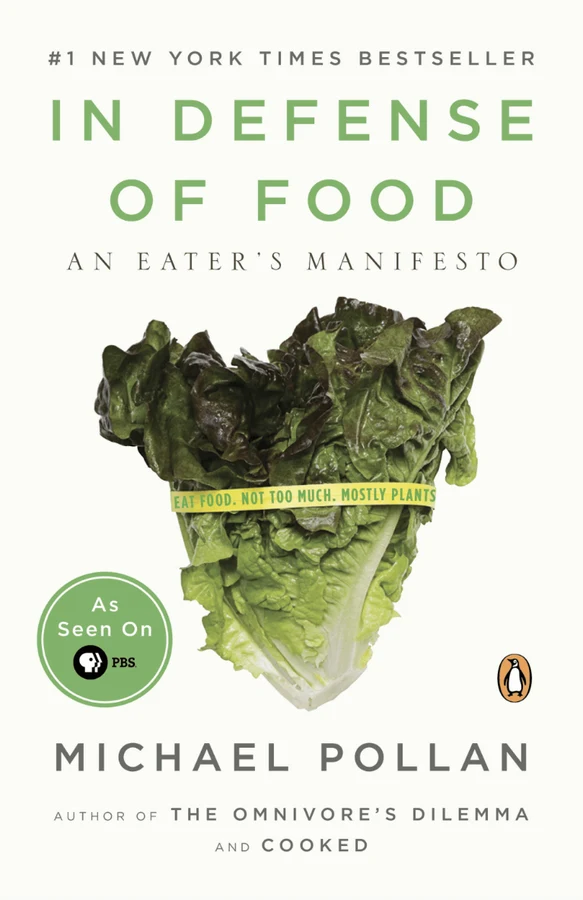
In Defense of Food
An Eater's Manifesto
Michael Pollan
"Eat food. Not too much. Mostly plants." Pollan cuts through decades of nutritional noise to make a simple, powerful argument: real food, the kind your great-grandmother would recognize, is the answer. One of the most accessible and foundational reads for anyone thinking about what we eat and why.
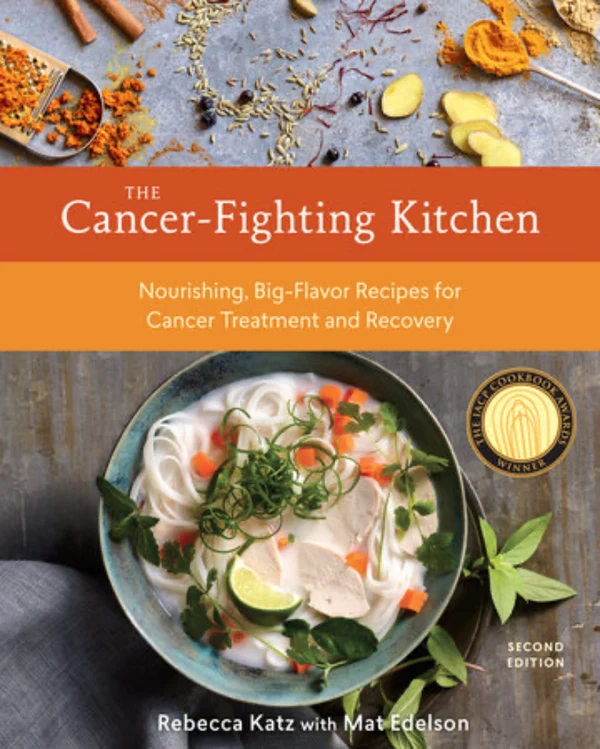
Nourishing, Big-Flavor Recipes for Cancer Treatment and Recovery
Rebecca Katz with Mat Edelson
Written specifically for people going through cancer treatment and their families. Whole-foods recipes designed to address treatment side effects, support the immune system, and nourish bodies under stress. IACP Cookbook Award winner, now in its second edition. One of the most practical books in this space.
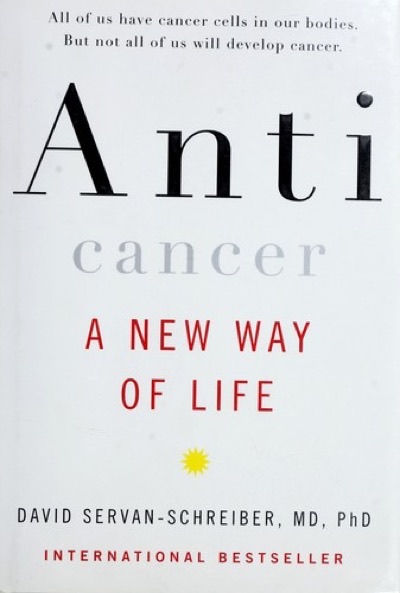
Written by a neuroscientist and clinical professor who was also a brain cancer patient, this international bestseller translates decades of research on nutrition, exercise, stress, and environmental factors into a practical framework for living alongside and beyond cancer. Translated into more than forty languages. One of the most widely read and rigorously sourced books on the relationship between lifestyle and cancer outcomes.
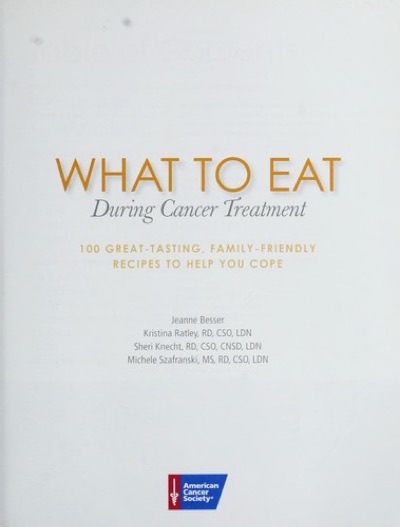
Jeanne Besser & Barbara Grant, MS, RD · American Cancer Society
The most practical book on this list. Organized around the seven most common eating-related side effects of treatment (nausea, mouth sores, taste changes, swallowing difficulty, constipation, diarrhea, and unintentional weight loss), with color-coded recipes that address each one. Evidence-based, registered-dietitian authored, and recommended by Dana-Farber Cancer Institute. Written for the person standing in the kitchen wondering what to make tonight.
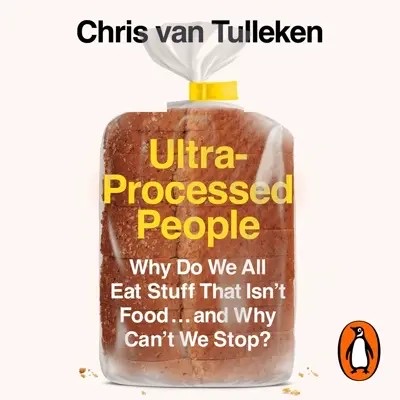
A physician and infectious disease researcher at University College London assembles the clinical evidence on what ultra-processed food does to the human body. Van Tulleken conducted a self-experiment eating 80% UPF for a month and tracked the measurable changes in his brain and body. Number one Sunday Times bestseller, Fortnum and Mason debut food book of the year. The most current and credible book on why the food families are eating matters at a molecular level.
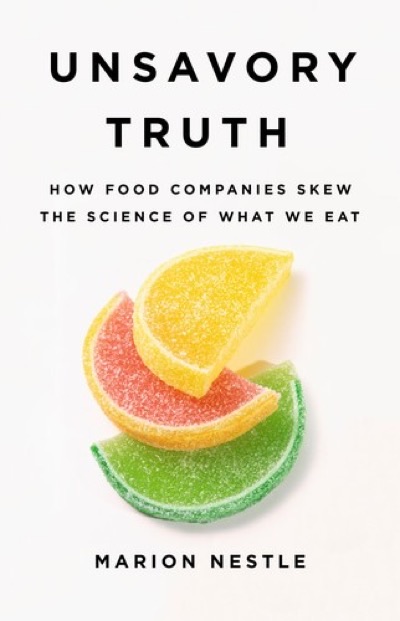
How Food Companies Skew the Science of What We Eat
Marion Nestle, PhD, MPH
Marion Nestle is the Paulette Goddard Professor of Nutrition, Food Studies, and Public Health at New York University and one of the most cited nutrition researchers in the world. This James Beard Award-winning book documents how food industry funding shapes the research that becomes dietary advice, from Coca-Cola-backed exercise studies to supplement-sponsored health claims. If you have ever wondered why nutrition science feels contradictory, this is the book that explains why.
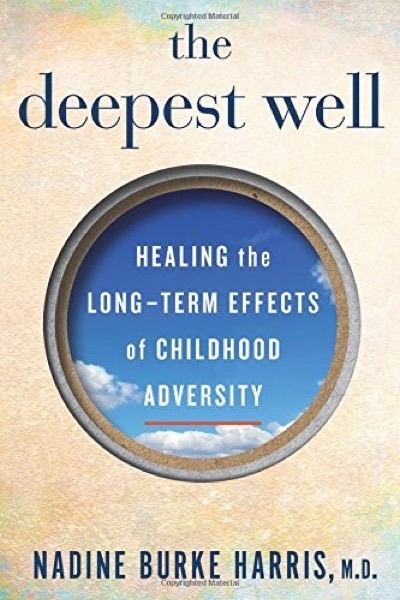
Healing the Long-Term Effects of Childhood Adversity
Nadine Burke Harris, MD
California's first Surgeon General and a pediatrician whose TED talk has been viewed more than ten million times. Burke Harris connects adverse childhood experiences to long-term health outcomes at the cellular level, then maps a path forward through six evidence-based pillars: sleep, exercise, nutrition, mindfulness, mental health, and healthy relationships. For any family navigating serious childhood illness, this book reframes what healing looks like and why it requires more than medicine alone.
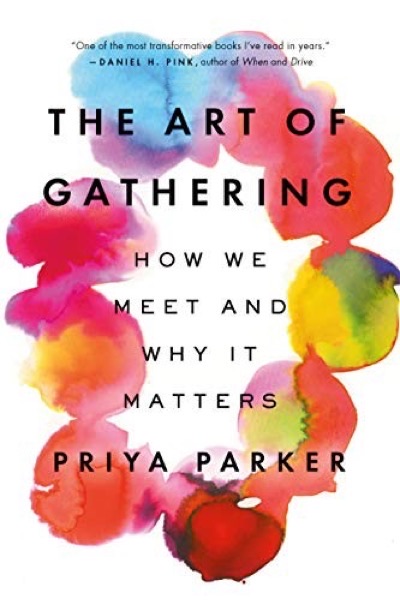
A Harvard and MIT-trained conflict resolution facilitator argues that most gatherings fail because they lack a clear purpose. Parker offers a framework for creating spaces where genuine connection happens by design, not by accident. This is the book behind our third pillar. Emmy's Friends exists because community carries people through, and this book articulates why intentional gathering is one of the most powerful things a group of people can do for each other.
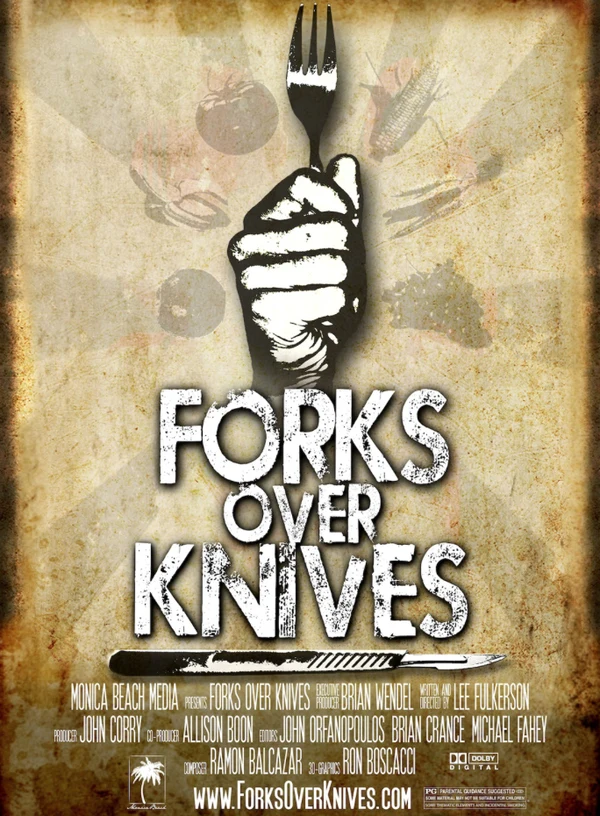
What if one simple change could save you from chronic disease? This landmark documentary follows researchers Dr. T. Colin Campbell and Dr. Caldwell Esselstyn as they examine what happens when people shift toward a whole-food, plant-based diet. A useful starting point for families exploring nutrition during or after treatment. Free to stream on their site.
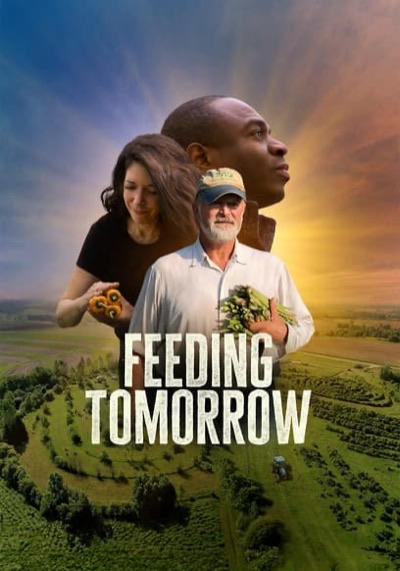
A clear-eyed look at the modern food system and the true cost of prioritizing speed and price over nutrition and sustainability. Follows researchers, farmers, and policymakers working to change how food reaches families. A strong companion to Ultra-Processed People for anyone asking what's actually in the food we feed our children and what it would take to fix it.
Note: Emmy's Friends Foundation is not a medical organization. The resources listed here are compiled in good faith from public sources and our own experience. They are not medical advice. Always consult your child's medical team when making health decisions. If a resource is broken, outdated, or you have a suggestion, please let us know.