
Food & Nutrition
Know your produce
The Environmental Working Group tests hundreds of fruits and vegetables each year for pesticide residue. Their annual Shopper's Guide distills the results into two practical lists: the Dirty Dozen (highest pesticide load, so prioritize organic when you can) and the Clean Fifteen (lowest, generally safe to buy conventional). For families navigating illness, budget, and grocery decisions all at once, this guide is one of the most useful tools out there.
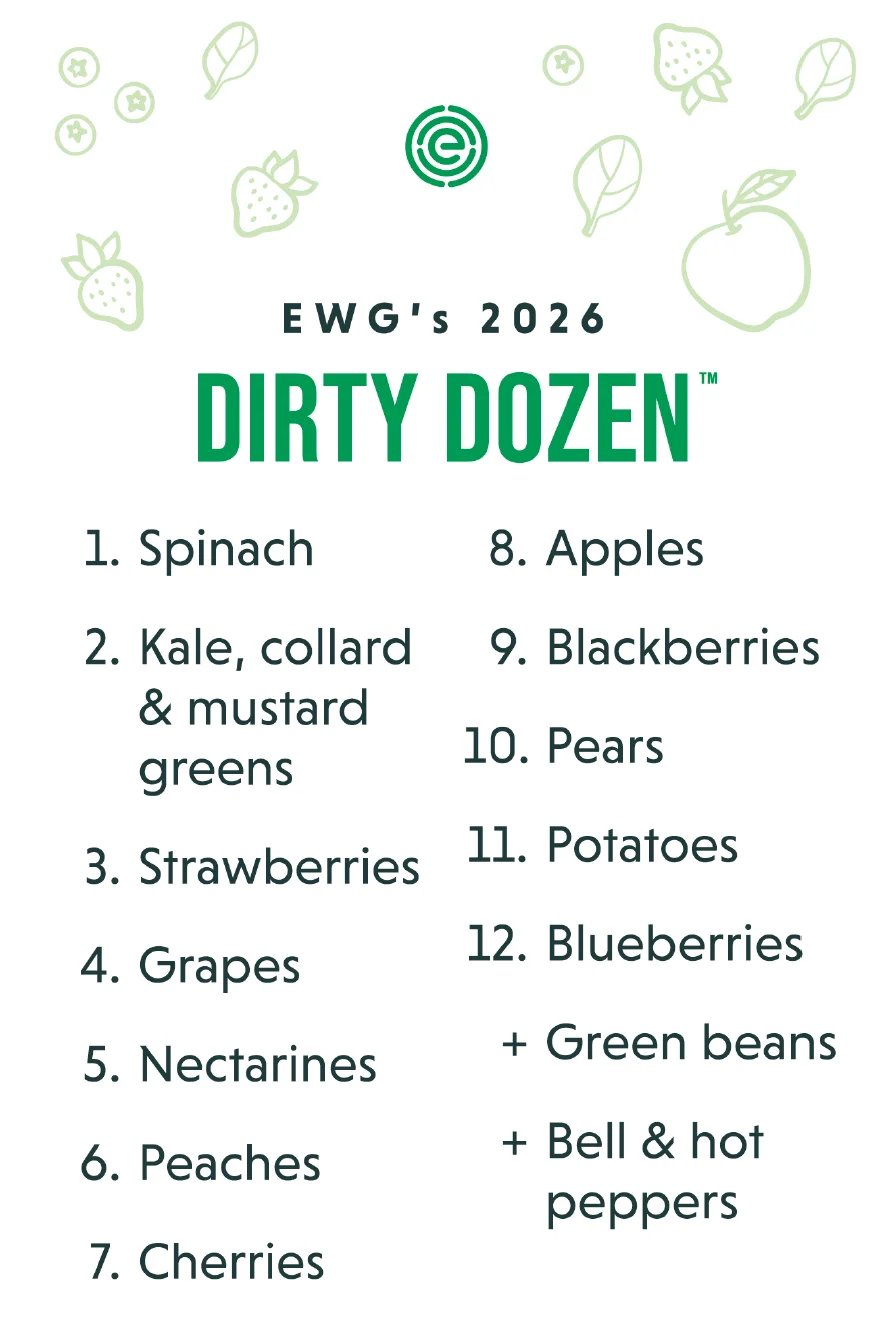
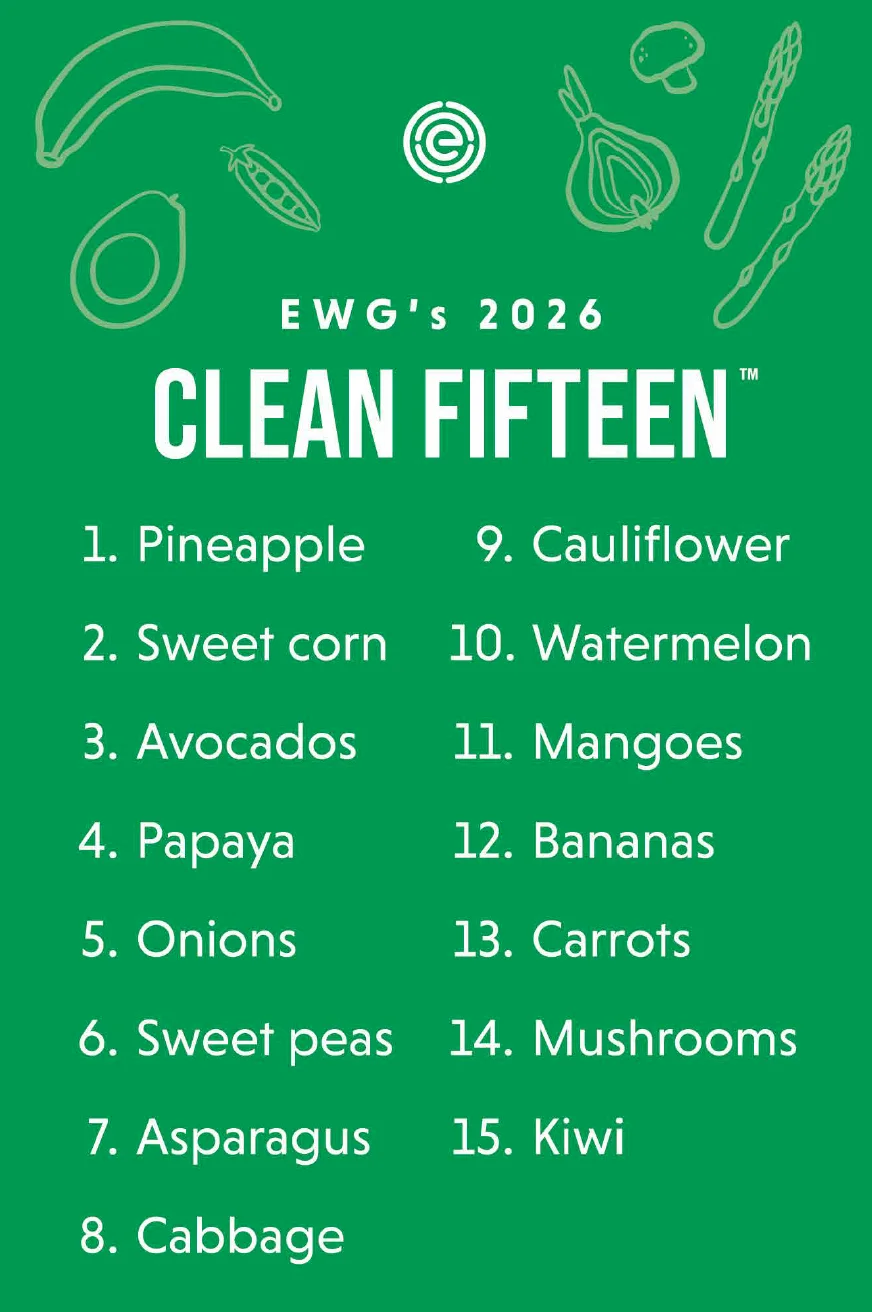
A few things worth knowing when using these lists: the Dirty Dozen reflects pesticide residue detected after washing and peeling, as consumers would normally eat the food. Strawberries have topped the list for years running. If buying everything organic isn't realistic, starting with the Dirty Dozen items your family eats most often is a practical place to focus.
The Clean Fifteen tends to include produce with thicker outer skins (avocados, pineapples, onions) that naturally limit pesticide absorption. These are generally fine to buy conventional without concern.
EWG updates the guide annually. The 2026 edition is the most current version available.